CalleOcho© 2026 calleocho.com. All rights reserved.
AboutContactShopEventsPrivacy Policy

Maluma & Ozuna - Confiésalo (Music Video) Ft. Karol G, Greeicy

UNIONN LATINA

Miami Weather

Partly Cloudy

85°F

10 mph

Upcoming Events & Live Music in Miami

Live music and performances in Miami

Balloon Museum | Pop Air - Art Is Inflatable - Miami 2026
Today!
Jun 11

Balloon Museum | Pop Air - Art Is Inflatable - Miami 2026

Mana Wynwood Convention Center

Discover Latin Culture Hotspots in Miami

Discover Latin culture hotspots in Miami

Guantanamera Cigars, Cafe and Lounge

Guantanamera Cigars, Cafe and Lounge

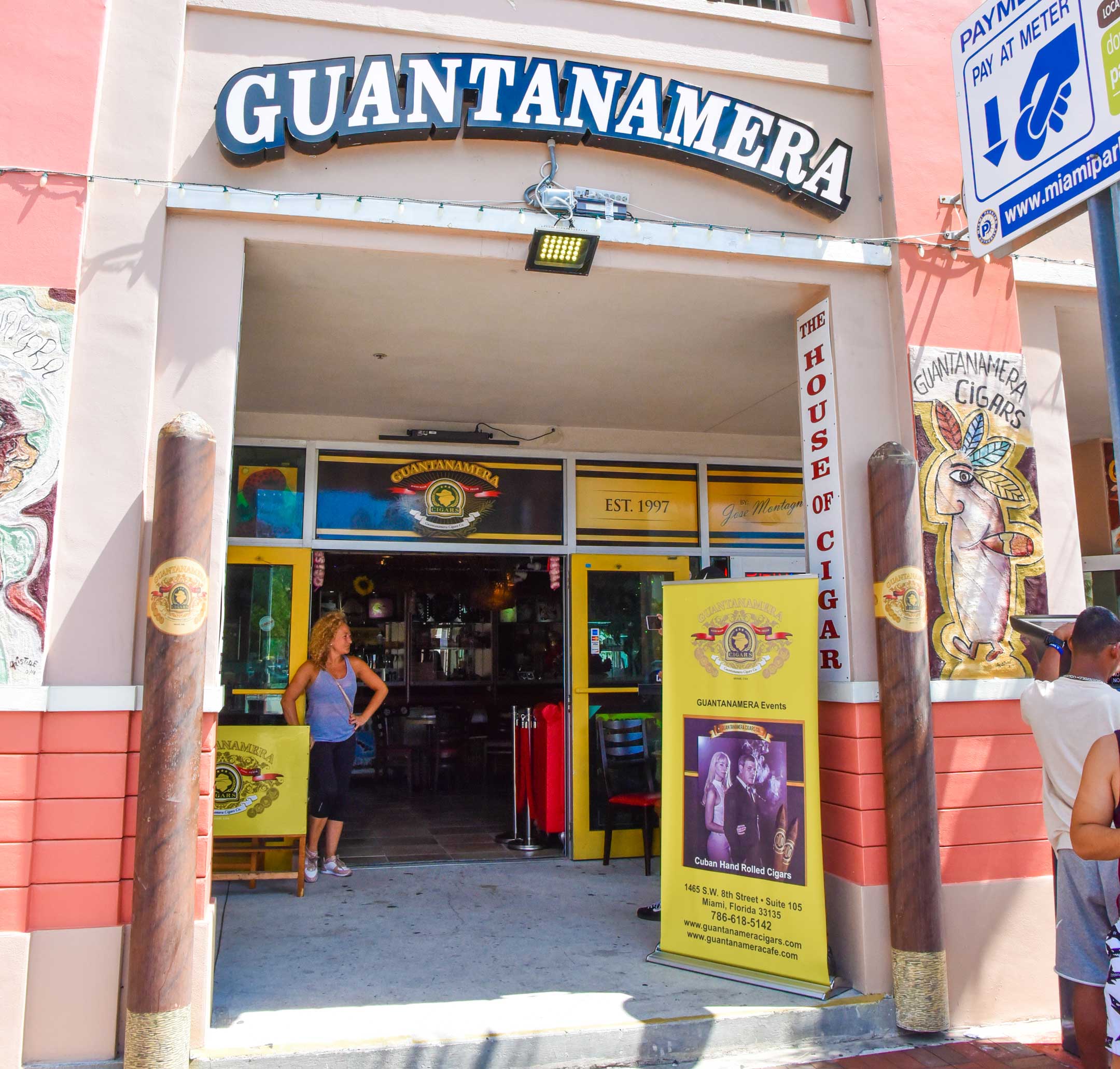
Guantanamera Cigars, Café & Lounge offers a relaxing atmosphere in a luxurious setting where you can listen to music, smoke cigars, view art pieces by Cuban artists, and also watch live bands perform. It provides excellent services that complements Latin Art with a full bar and food menu. One of our beautiful services is a front-door bar where you can visit in the evenings after a hectic day at work and listen to cuban rhythms while enjoying the cuban art paintings on the wall. Guantanamera cigars, café & lounge helps you make long-lasting memories with your friends and loved ones with liquor, cigars, dance, music, grounded coffee, and other things they provide.

1465 SW 8th St, Miami Fl 33135

Thursday's Happy Hour Specials

Great deals on drinks and food in Miami

Cafe La Trova

Always Sunny in Miami Four Walls Irish American Whiskey, blanc vermouth, thyme syrup, lime juice, bitter liqueur, egg whites

$8.00

Cafe La Trova

Thursday's Daily Specials

Special menu items available today

La Carreta

1/4 Roasted Chicken

La Carreta

Au Gratin

Latin Musicians & Performers

Discover talented Latin artists

Tito Puente

Tito Puente

Tito Puente: The King of Latin Music Early Life: Ernesto Antonio Puente, known as Tito Puente, was born on April 20, 1923, in New York City. Raised in Spanish Harlem, he was exposed to a rich tapestry of Latin music, including Afro-Cuban rhythms, jazz, and mambo. Puente's early interest in percussion instruments, particularly the timbales, laid the foundation for his illustrious musical career. Musical Beginnings: Tito Puente's career took off in the 1940s when he joined the Machito and his Afro-Cubans orchestra as a drummer. His skill and passion for percussion quickly earned him recognition, and he became a prominent figure in the emerging Latin music scene. Puente's innovative approach to arranging and composing helped define the sound of Latin jazz and mambo. King of Mambo: Tito Puente's nickname, “The King of Mambo,” reflected his influence and mastery of the genre. In the 1950s, Puente's orchestra produced a series of hits, including “Mambo No. 5” and “Ran Kan Kan.” His energetic performances, marked by infectious rhythms and vibrant horn arrangements, made him a favorite among both Latin music enthusiasts and mainstream audiences. Crossover Success: Tito Puente's music transcended cultural boundaries, gaining popularity among diverse audiences. His collaboration with jazz legends like Dizzy Gillespie and Count Basie showcased his versatility and contributed to the fusion of Latin and jazz elements. Puente's compositions and arrangements became synonymous with the vibrant spirit of Latin music. Prolific Career: Over his prolific career, Tito Puente released over 100 albums, earning him numerous accolades and awards. His impact on the Latin music landscape was not limited to mambo; he explored various styles, including cha-cha-cha, salsa, and Latin jazz. Puente's ability to adapt and innovate ensured his continued relevance in the ever-evolving music industry. Legacy and Recognition: Tito Puente's influence extended beyond his roles as a bandleader and percussionist. His compositions, such as “Oye Como Va” and “Picadillo,” became classics, later popularized by artists like Santana. Puente received multiple Grammy Awards and Latin Grammy Awards, acknowledging his enduring impact on the world of music. Educator and Ambassador: In addition to his musical contributions, Tito Puente was an advocate for music education. He held workshops, mentored aspiring musicians, and emphasized the importance of preserving Latin musical traditions. His efforts as a cultural ambassador contributed to the global recognition of Latin music. Final Years: Tito Puente continued to perform and record well into his later years. He remained an influential figure in the Latin music community until his passing on May 31, 2000, at the age of 77. His death marked the end of an era, but his legacy lives on through his music, which continues to inspire and captivate audiences worldwide.

Curated Latin Community Products

Curated products from the Latin community

CalleOcho Miami Rooster

CalleOcho Miami Rooster

Shop Item

$24.75
Dimelo Cantando!
Sale

Experience Miami's Latin Culture

From live music and events to authentic venues and unique shopping experiences - discover it all at Calle Ocho

Diplomacy and the Beautiful Game: Opening Reception
Jun 12

Diplomacy and the Beautiful Game: Opening Reception

Coral Gables Museum

An evening of football, culture, diplomacy, and international connection during FIFA World Cup 2026

SpongeBob SquarePants - The Broadway Musical
Jun 13

SpongeBob SquarePants - The Broadway Musical

Coral Gables Museum

From the sold-out SpongeBob SquarePants: The Broadway Musical by the neurodiverse cast of Area Stage's Inspire Theatre Project.

Pre-Festival Encounters.
Jun 13

Pre-Festival Encounters.

Coral Gables Museum

Featuring the artists of Frost Chopin Academy & Festival

(786) 618-5142

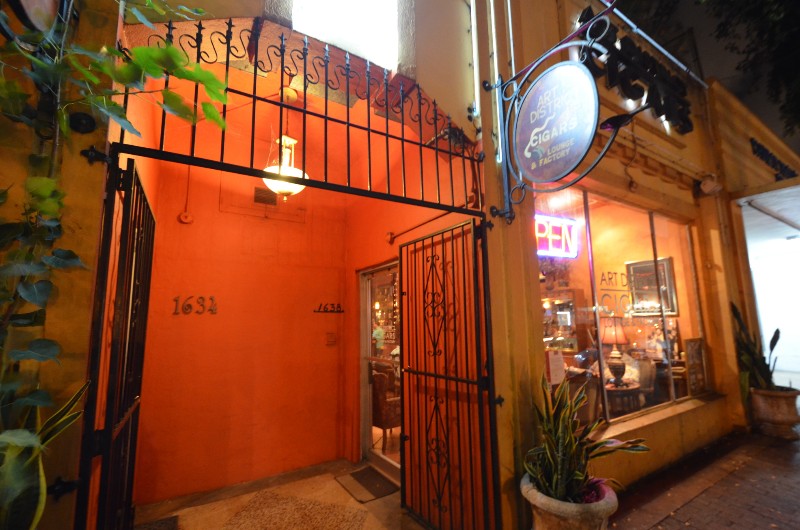
Art District Cigars

Art District Cigars

1638 SW 8th St, Miami, FL 33135

(305) 644-0444

Molina Art Gallery Inc

Molina Art Gallery Inc

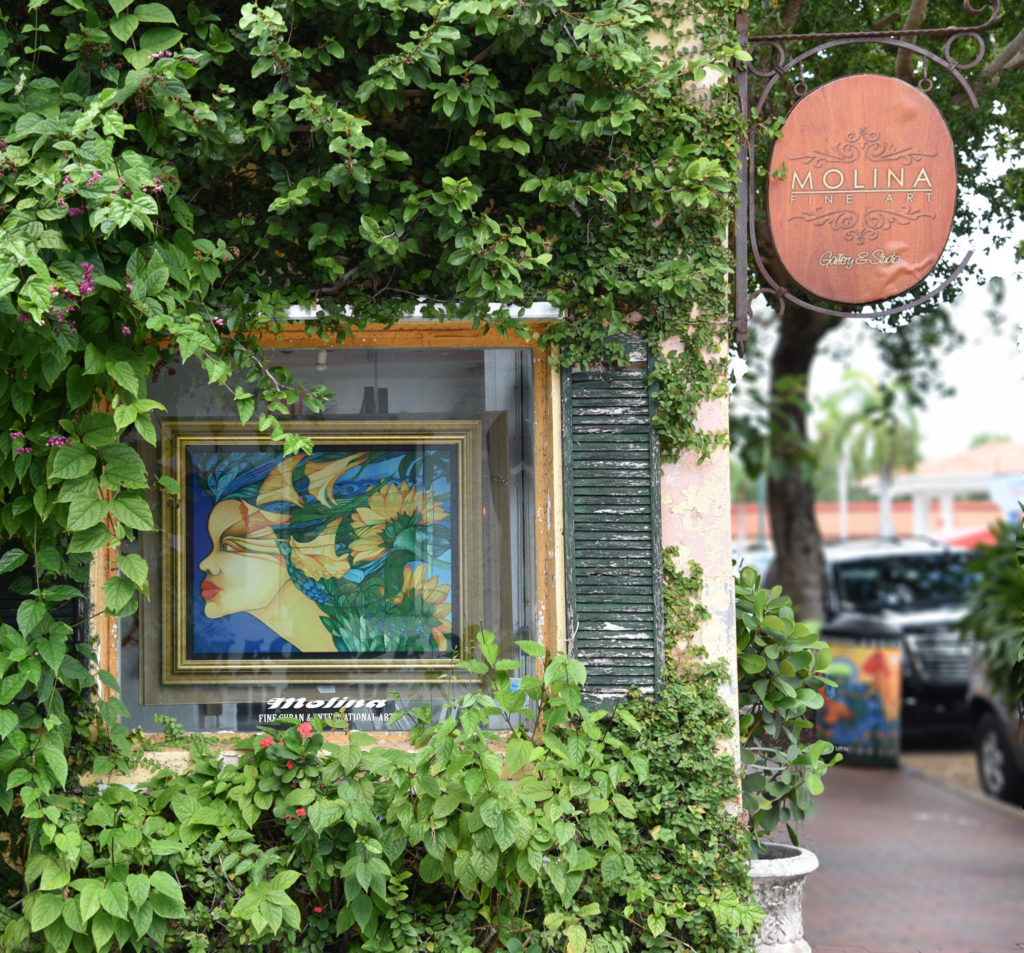
Molina Art Gallery Inc. is the perfect place in Miami for anyone, especially art aficionados, enthusiasts, or even people with a fleeting passion for appealing visuals. At Molina Art Gallery Inc., you will be transported into the realm of Afro Cuban folklore where the culture and beauty of the Cuban people are shown and also explained in depth. You will find various paintings and other substantial original artistic items that are of immense value and beauty. The serene environment makes it a perfect place to get lost in the beauty and freedom that art provides.

1634, Southwest 8th Street, Little Havana 33135

(305) 642-0444

Rey De Las Fritas

Rey De Las Fritas

When you’re craving some delicious Cuban dishes, El Rey de las Fritas in Miami is the place to go. We have been in the business for more than 40 years, making us an iconic landmark within the Miami-Hispanic community. Our Cuban restaurant continues to serve the exquisite Cuban dishes our customers have come to love and enjoy. So if you find yourself on a trip to Miami, don’t miss out on the chance to taste our dishes! Taste something very original, very Cuban. A uniquely taste in burgers and all things latin.

1821 SW 8th St. Miami, FL 33135

(305) 644-6054

Calamari mezcal-marinated fried calamari, tajin, Del Maguey Mezcal aioli

$10.00

Cafe La Trova

Daiquirí Clásico Bacardí Superior Rum, lime juice, sugar

$8.00

Cafe La Trova

Estrella Damm Beer

$6.00

Cafe La Trova

Banana Sazerac

$17.00

Cafe La Trova

Banana Sazerac Caramelized ripe banana infused Hennessy VS, Woodinville Rye, simple syrup, Peychaud's bitter, Absinthe

$17.00

Papi Oviedo

Papi Oviedo

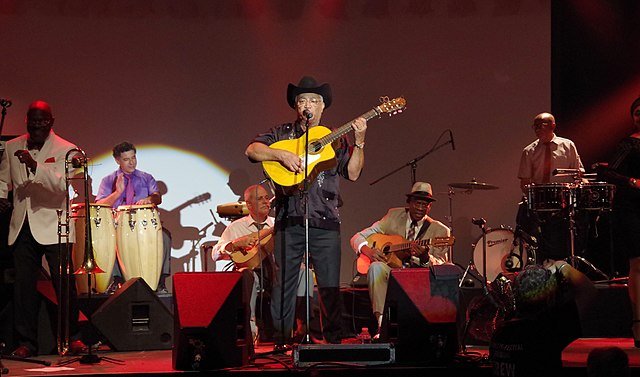
Papi Oviedo: Master of the Cuban Tres Early Life: Papi Oviedo, born Roberto Rodríguez Batista on April 20, 1926, in Santiago de Cuba, was a renowned Cuban musician celebrated for his mastery of the tres, a traditional Cuban guitar-like instrument with three pairs of strings. Growing up in the culturally rich environment of Santiago de Cuba, Oviedo was immersed in the vibrant musical traditions of the region. Musical Journey: Papi Oviedo's musical journey began at a young age when he started playing the guitar. His talents quickly caught the attention of local musicians, and he soon found himself immersed in the world of son cubano, a genre of Cuban music. Oviedo's expertise extended beyond playing the tres; he was also an accomplished vocalist. Son Tradition and Cuarteto Patria: Papi Oviedo became associated with the iconic group Cuarteto Patria, a traditional Cuban son ensemble. Cuarteto Patria, known for its authentic renditions of son cubano, gained widespread acclaim in Cuba and beyond. Oviedo's role in the group contributed to its success and preservation of the son tradition. Collaboration with Compay Segundo: Papi Oviedo gained international recognition through his collaboration with another Cuban music legend, Compay Segundo. Their musical partnership flourished, and together they became ambassadors of Cuban music. Compay Segundo and Papi Oviedo's performances captivated audiences worldwide, showcasing the beauty of the Cuban son. Buena Vista Social Club: Papi Oviedo's association with the Buena Vista Social Club further elevated his status on the global stage. The project, initiated by Ry Cooder and Juan de Marcos González, brought together veteran Cuban musicians to record traditional Cuban music. Oviedo's contributions, particularly his skillful tres playing, added depth and authenticity to the ensemble. Later Years and Legacy: Even in his later years, Papi Oviedo continued to share his musical gifts, performing and recording. His dedication to preserving the authenticity of Cuban son and his influence on subsequent generations of musicians solidified his legacy. Passing: Papi Oviedo passed away on March 9, 2017, in Santiago de Cuba. His death marked the end of an era for traditional Cuban music, but his contributions continue to resonate through his recordings and the influence he had on the global appreciation of son cubano. Papi Oviedo's virtuosity on the tres, his soulful vocals, and his commitment to preserving the roots of Cuban music make him a revered figure in the annals of Latin music. His legacy lives on, inspiring musicians and enthusiasts to explore and cherish the rich cultural heritage of Cuba.

Celia Cruz

Celia Cruz

Celia Cruz: The Queen of Salsa Úrsula Hilaria Celia de la Caridad Cruz Alfonso, known to the world as Celia Cruz, was born on October 21, 1925, in Havana, Cuba. Growing up in a diverse neighborhood, she was exposed to various musical influences, including Afro-Cuban rhythms and jazz. Celia showed an early interest in singing, and her parents recognized her talent and passion for music. Celia Cruz's professional career began in the 1940s when she joined the renowned Cuban orchestra, La Sonora Matancera. Her powerful and distinctive voice quickly made her a standout, and her collaboration with the group spanned 15 years. The partnership produced numerous hits, including “Cao Cao, Maní, Picao,” and “Burundanga,” solidifying Cruz's reputation as a vibrant and charismatic singer. Following the Cuban Revolution in 1959, Celia Cruz, like many artists, left her homeland. She settled in the United States, initially in Miami and later in New York City. This exile marked a significant turning point in her career. She continued to thrive in the vibrant Latin music scene of New York and gained international recognition for her dynamic performances. Celia Cruz played a pivotal role in popularizing salsa music on a global scale. Her collaboration with the Fania All-Stars, a group of renowned Latin musicians, resulted in iconic albums like “Celia & Johnny” (1974) with Johnny Pacheco. Her energetic stage presence and powerful vocals earned her the title “Queen of Salsa,” a moniker that would define her legacy. Celia Cruz's solo career reached new heights in the 1980s and 1990s. She received numerous awards, including several Grammys, for albums like “Gracias” (1998) and “La Negra Tiene Tumbao” (2001). Her ability to blend traditional Cuban sounds with contemporary styles contributed to the enduring appeal of her music. Beyond her musical contributions, Celia Cruz became a symbol of resilience and freedom for the Cuban diaspora. Her colorful stage outfits, vibrant personality, and signature call of “¡Azúcar!” (sugar) endeared her to fans worldwide. Celia Cruz's impact on Latin music and culture is immeasurable, and she remains an enduring icon, inspiring generations of artists who followed in her footsteps. Celia Cruz continued to perform and record well into her later years. Sadly, she battled and succumbed to brain cancer on July 16, 2003. Her passing marked the end of an era, but her music and legacy continue to thrive, ensuring that the Queen of Salsa will forever reign in the hearts of those who love and appreciate Latin music.

Omara Portuondo

Omara Portuondo

Omara Portuondo: The Queen of Cuban Bolero Early Life: Omara Portuondo was born on October 29, 1930, in Havana, Cuba. From a young age, she displayed a natural talent for singing and dancing, and her passion for music became evident early on. Her family supported her artistic pursuits, and she began her musical journey in the vibrant cultural scene of Havana. Early Career: Omara Portuondo's professional career took off in the 1940s when she joined the vocal group Cuarteto Las d'Aida. The ensemble gained popularity for its harmonious vocal arrangements and performed a variety of genres, including bolero, jazz, and traditional Cuban music. Portuondo's versatile voice and stage presence quickly garnered attention. Collaboration with Orquesta Anacaona: In the 1950s, Omara Portuondo collaborated with the groundbreaking all-female orchestra Orquesta Anacaona. This experience expanded her repertoire and further solidified her reputation as a dynamic and skilled performer. Buena Vista Social Club Era: Omara Portuondo's international recognition reached new heights with her involvement in the Buena Vista Social Club project in the late 1990s. Her soulful rendition of the bolero “Veinte Años” became one of the standout performances on the album, contributing to the global success of the project. Solo Career: Portuondo's solo career spans decades, and she has released numerous albums showcasing her mastery of various genres, including bolero, son, and jazz. Her solo work, such as the album “Buena Vista Social Club Presents Omara Portuondo” (2000), received critical acclaim. Iconic Bolero Interpretations: Omara Portuondo is particularly celebrated for her interpretations of classic boleros. Her emotive and nuanced delivery of songs like “Besame Mucho” and “Quizás, Quizás, Quizás” has earned her a reputation as the Queen of Cuban Bolero. Global Tours and Collaborations: Omara Portuondo has toured extensively around the world, captivating audiences with her captivating performances. She has collaborated with international artists, blending Cuban musical traditions with a global influence. Awards and Accolades: Throughout her career, Omara Portuondo has received numerous awards and honors for her contributions to music. Her timeless artistry has earned her recognition not only in Cuba but also on the international stage. Cultural Ambassador: Portuondo's influence extends beyond music; she is considered a cultural ambassador for Cuba. Her performances and recordings have played a vital role in introducing Cuban music and culture to audiences worldwide. Later Years: Even in her later years, Omara Portuondo continued to enchant audiences with her performances. Her dedication to music and her ability to connect with listeners have made her a beloved figure in the world of Latin music. Omara Portuondo's legacy is not only one of musical excellence but also a testament to the enduring power of Cuban music to transcend cultural boundaries. Her contributions to the Buena Vista Social Club and her solo career have solidified her status as a living legend in the realm of Latin music.

Dimelo Cantando!

Shop Item

$19.99
Cuban Flag Earrings #S201

Cuban Flag Earrings #S201

Shop Item

$24.99
Bonnet en Coton – Drapeau de Cuba – Broderie

Bonnet en Coton – Drapeau de Cuba – Broderie

Shop Item

$34.99